Worldwide Insured Shipping
Hand-Restored in our Atelier
Professional Custom Crating

Worldwide Insured Shipping
Hand-Restored in our Atelier
Professional Custom Crating


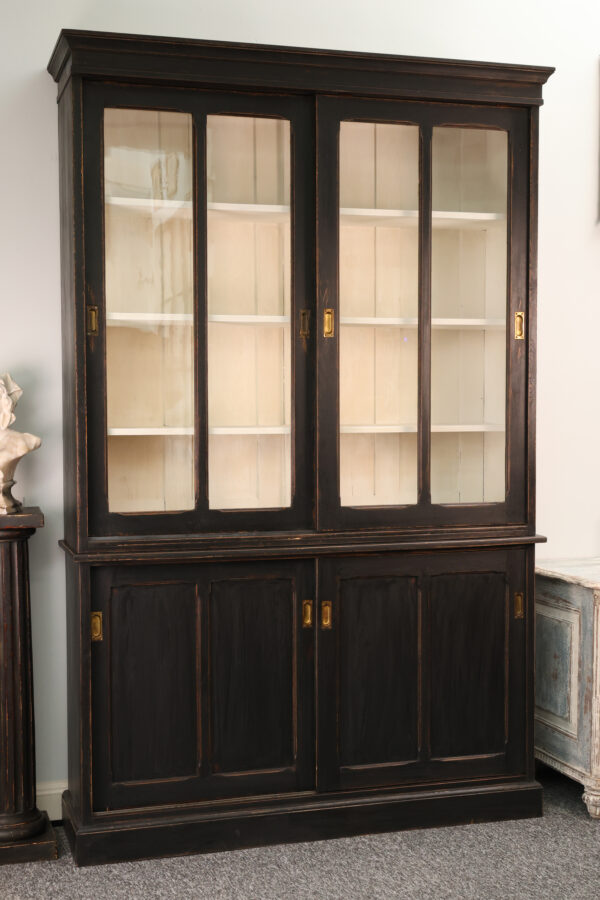

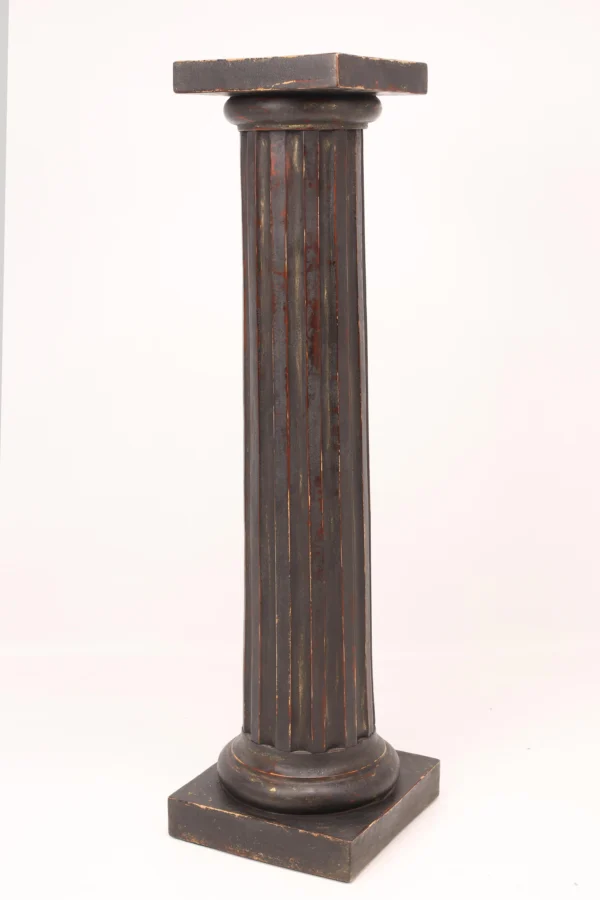
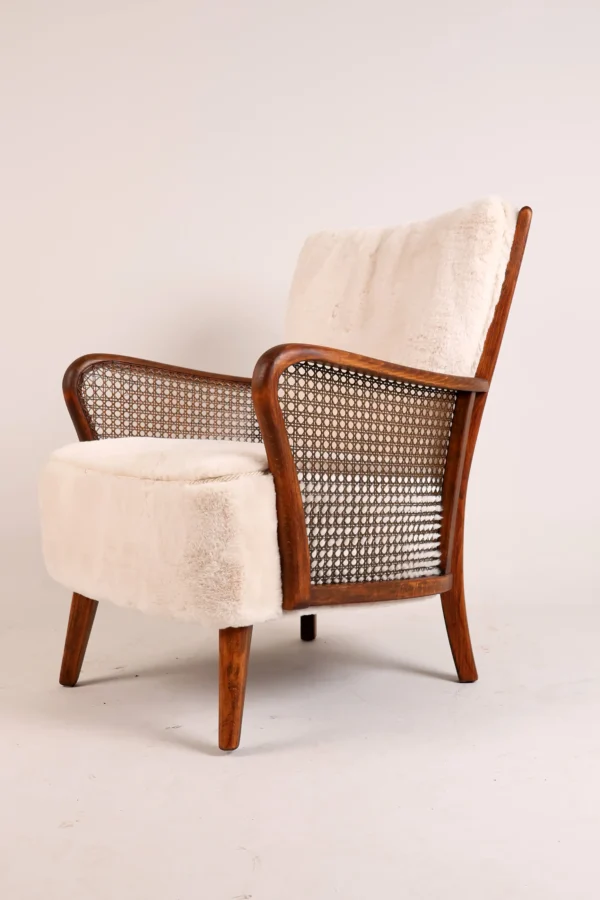
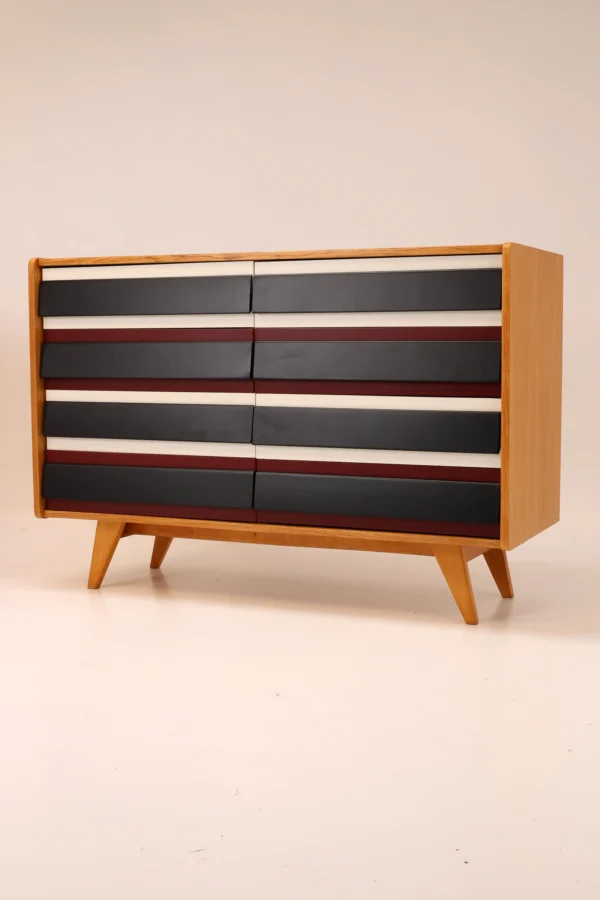
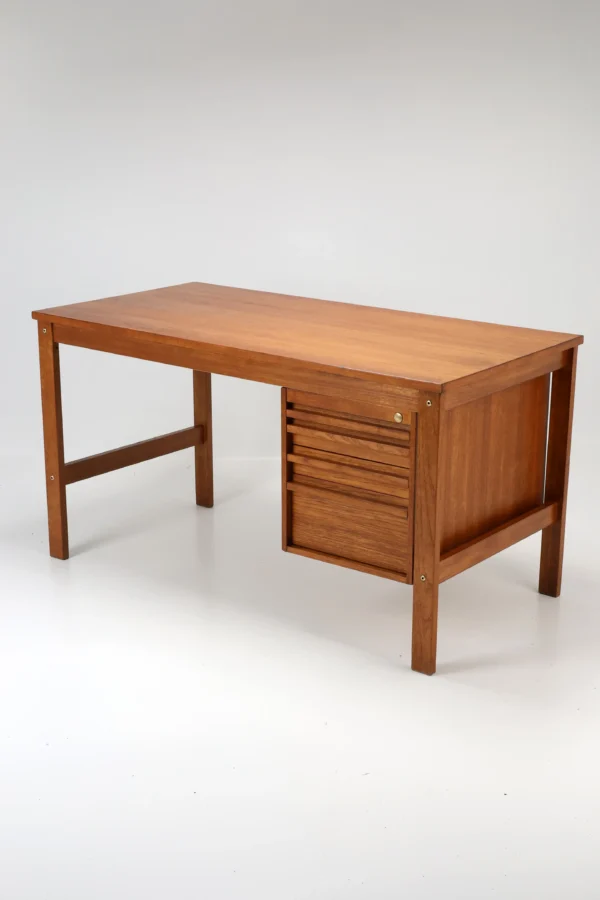
For most of furniture history, design was in service of something else status, comfort, tradition, ornament. The 20th century changed that. For the first time, furniture designers were asking fundamental questions about what a chair or a table actually needed to be, and the answers they arrived at reshaped every interior that came after. The pieces that emerged from that process some radical, some quietly refined are what this category is about.
20th century furniture is antique in the truest sense of the word: original, period-made, and increasingly rare in good condition. Whether you are drawn to the geometric austerity of early modernist style or the warmer, more sculptural approach of mid-century Scandinavian work, these are objects with a genuine place in design history.
No single institution shaped 20th-century furniture design more completely than the Bauhaus. Founded in Germany by Walter Gropius in 1919 and closed under Nazi pressure in 1933, the Bauhaus school operated for just fourteen years but its influence on modernism has never really stopped. The core idea was straightforward, even if the execution was anything but: design should unite art and industry, form and function, without the ornamentation that had governed decorative arts for centuries.
The furniture that came out of the Bauhaus was unlike anything before it. Marcel Breuer’s tubular steel frame chairs clean, stackable, almost industrial in their logic were a direct provocation to the upholstered, carved, fabric-draped furniture of the previous century. They proposed that a chair could be honest about its materials, that the structure itself could be the aesthetic. This was not minimalism as a style choice. It was minimalism as a design principle, and it changed everything.
The Bauhaus approach also had a social dimension. Mass production was not a compromise it was the point. Good modern design should be accessible, not reserved for the wealthy. That tension between democratic ideals and the reality that Bauhaus pieces are now among the most collectible modernist furniture in the world is one of the more interesting ironies in design.
Charles and Ray Eames are probably the most recognised names in 20th century furniture design, and the work justifies the reputation. Operating out of California from the 1940s onwards, they brought an experimental, almost playful intelligence to the question of how furniture could be made and what it could look like. Their use of plywood and plastic materials that were unconventional in fine furniture at the time produced silhouettes that felt genuinely new.
The Eames lounge chair and ottoman, introduced in 1956, remains one of the iconic pieces of the entire century. Black leather upholstery over moulded plywood shells, supported on a cast aluminium base it is a chair that manages to be both sculptural and deeply comfortable, which is harder to achieve than it sounds. Charles and Ray Eames described it as having the “warm, receptive look of a well-used first baseman’s mitt.” That quality — the sense that an iconic piece should invite use rather than just admiration runs through everything they made.
Ludwig Mies van der Rohe approached furniture with the same rigour he brought to architecture. The Barcelona chair, designed with Lilly Reich for the German Pavilion at the 1929 World Exhibition, is perhaps the purest expression of his design principles: a tubular steel frame, tightly upholstered cushions, and a silhouette so considered that it has barely dated in nearly a century. It is an object that understands austerity not as deprivation but as precision.
Knoll, the American manufacturer that produced and distributed much of Mies van der Rohe’s furniture, also worked with a generation of modernist and mid-century designers whose work defined the look of progressive interiors from the 1940s onwards. A Knoll sofa or chaise from this period clean-lined, well-upholstered, built to last still functions as a marker of a certain kind of intelligence in interior design. These are not merely furnishing choices. They are positions.
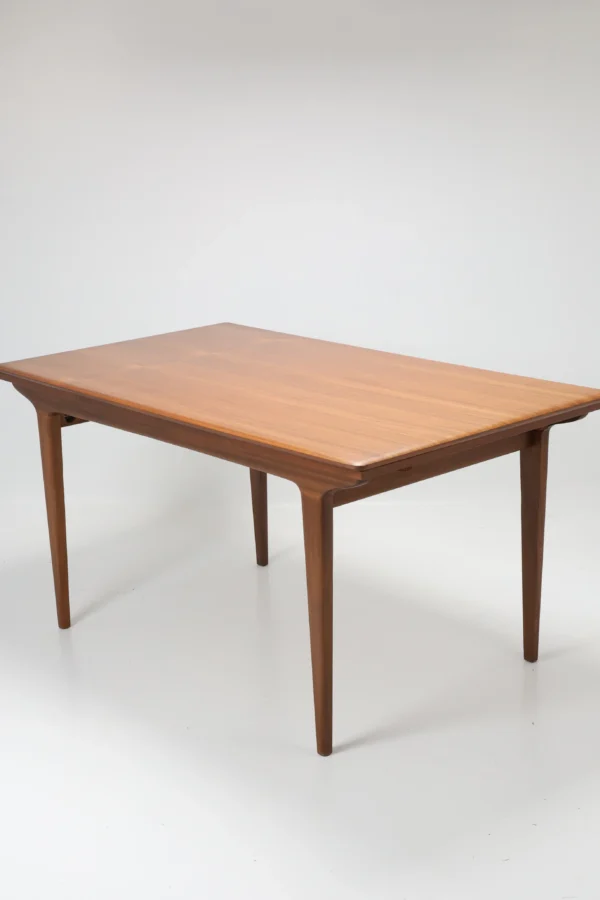
Mid-century modern design roughly the 1940s through the late 1960s is the most widely recognised of the 20th-century furniture styles, and for good reason. It managed something that pure modernism sometimes struggled with: it was liveable. The Danish and broader Nordic tradition, represented by designers like Arne Jacobsen and Alvar Aalto, brought warmth and craftsmanship into the modernist framework. Natural wood alongside innovative materials. Colourful upholstery against monochromatic frames. Color palettes drawn from nature rather than the factory.
Arne Jacobsen’s work is a good example of this balance. His chairs have the clean, geometric quality of modernist style but a sculptural presence that feels organic rather than industrial. Mid-century modern design also embraced the full range of domestic furnishing not just the statement chair or coffee table, but sofas, sectionals, dressers, ottomans, and chaise lounge forms that brought the same design principles to every corner of the interior.
The coffee table, in particular, became a site of real design ambition during this period. Low, horizontal, often in combinations of wood and glass or plywood and metal the mid-century modern coffee table is one of those furniture pieces that has never really gone out of favour, because the thinking behind it was sound from the start.
Italian design deserves its own mention here. Italian furniture from the mid-20th century brought a different sensibility more theatrical, more willing to be bold in form and colour, less bound by the design principles coming from northern Europe or America. Italian furniture of this period can be exceptional: pioneering in material, confident in silhouette, and made with a level of craftsmanship that reflects a very long tradition of skilled making.
The 20th-century antique furniture in this category spans the full arc of the period from early modernist pieces with roots in Bauhaus thinking, through the iconic furniture of the mid-century, to later work that pushed into new forms and new materials. Pieces by or in the manner of recognised furniture designers sit alongside anonymous work of genuine quality.
Each piece is assessed on its own terms: condition, originality, and the integrity of its design. Where restoration has been carried out, it has been done in our own workshop, with practicality as much as appearance in mind. The goal is furniture that can be used, not just displayed.


